
Electronic manufacturing is undergoing a quiet revolution. As consumer expectations shift toward sustainability, Electronic Manufacturing Services (EMS) providers are rewriting the rulebook—balancing speed, quality, and eco-consciousness without sacrificing dependability. In today’s market, a product isn’t only judged by performance; its lifecycle footprint matters just as much. That’s why forward-thinking EMS partners are integrating green practices at every stage, from design to disposal.
Dependable electronic solutions begin with purposeful design. Engineers now apply Design for Manufacture and Assembly (DFMA) principles that reduce material use, simplify components, and make products easier to repair. Fewer parts mean less waste, lower energy consumption during assembly, and improved reliability in the field. When devices are designed to be serviceable, the downstream environmental benefits multiply: longer use cycles, fewer replacements, and reduced landfill pressure.
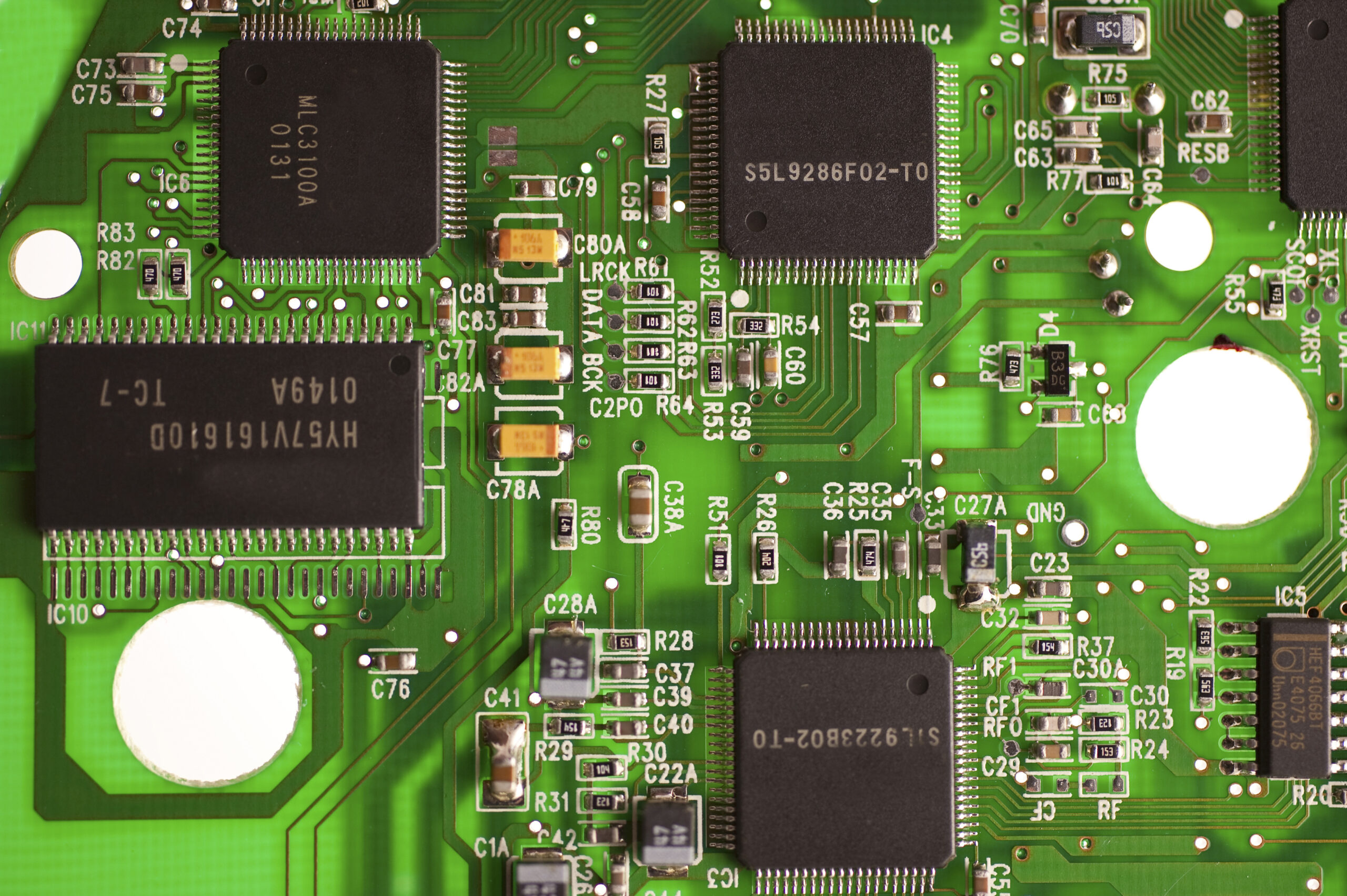
Cutting-edge innovation fuels this transformation. Smart factories leverage AI-driven process control, predictive maintenance, and machine learning to optimize yields while minimizing energy and material waste. Real-time analytics detect anomalies before they cause rework, saving both resources and time. Add robotics and precision pick-and-place systems, and you get consistently higher build quality with lower defect rates—essential for dependable solutions that customers can trust.
Conformal coating services play a crucial role in extending product lifespans. These thin, protective layers shield electronics from moisture, dust, and corrosive atmospheres, significantly reducing failure rates in harsh environments. The latest advances emphasize eco-friendly chemistries: low-VOC, solvent-free, or water-based coatings that meet stringent environmental regulations without compromising performance. Automated coating and curing systems ensure uniform coverage and minimal overspray, reducing waste and operator exposure. Used thoughtfully, conformal coatings are an elegant way to marry durability with sustainability.
Advanced technology also makes greener supply chains possible. Digital twins and virtual prototyping cut down on physical prototypes, saving materials and transport emissions. Additive manufacturing can produce complex fixtures and low-volume components with less scrap than traditional subtractive methods. Moreover, traceability platforms based on blockchain or secure databases help EMS providers ensure conflict-free sourcing and compliance with RoHS and other directives, reinforcing the ethical side of sustainability.
But sustainability is more than green materials and smart machines; it’s a culture. Leading EMS companies audit energy use, invest in renewable power, and implement closed-loop water and solvent reclamation. They partner with certified recyclers to reclaim precious metals from end-of-life boards and adopt take-back programs that prioritize refurbishment over disposal. Training programs empower technicians to spot inefficiencies and suggest improvements, turning small behavioral changes into measurable environmental gains.
In the end, sustainable electronics are not a compromise—they’re an upgrade. By combining dependable electronic solutions with cutting-edge innovation, eco-friendly conformal coating services, and advanced technology, EMS providers deliver products that perform better and last longer with a lighter ecological footprint. For manufacturers and consumers alike, that’s a future worth building toward. Choose partners who treat sustainability as a design constraint, not an afterthought—because resilient devices and a healthy planet go hand in hand.